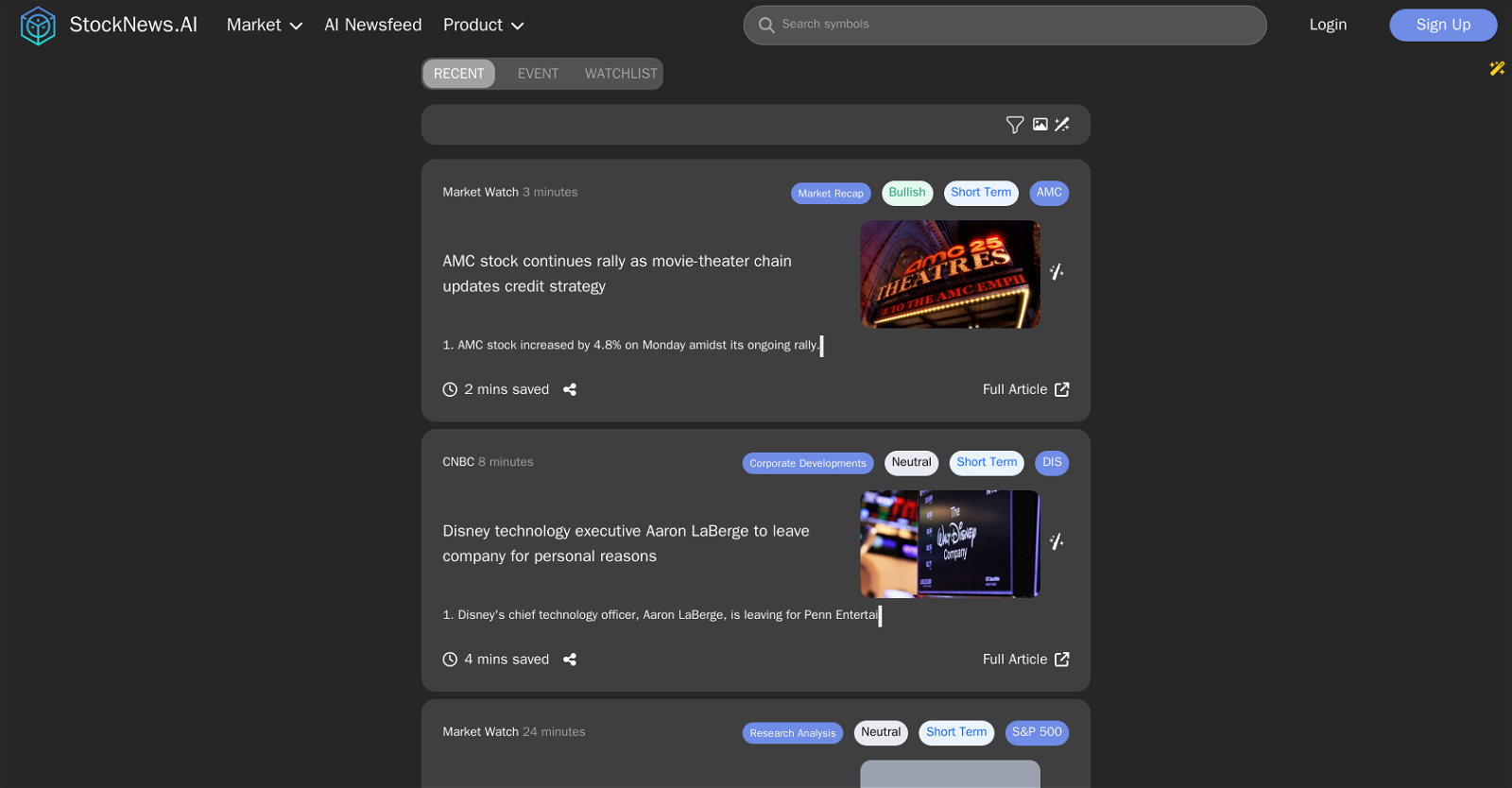
Top 10 Tips To Assess The Market Coverage Offered By Ai Trading Platforms That Predict/Analyze The Performance Of Stocks.
When looking at AI trading platforms that forecast or analyze stocks, market coverage is a crucial aspect to consider. It determines what assets and markets are available. If you choose a platform with extensive coverage, you are able to diversify your portfolio and make the most of opportunities across the globe. It is also possible to adapt to different trading methods. Here are the top 10 tips for evaluating the market coverage offered by these platforms.
1. Evaluate Supported Asset Classes
Stocks – Make sure the platform you choose to use can provide coverage of the major stock markets (e.g. NYSE NASDAQ LSE HKEX) in addition to includes small-caps, mid-caps and large-caps.
ETFs. Verify that the platform offers a variety of ETFs so you can gain exposure to a variety of.
Options and futures. Check that the platform can be used with derivatives such futures contracts, options and leveraged instruments.
Forex and commodities. Check to see if there are forex pairs available, as well as precious metals, energy-related commodities and other agricultural commodities.
Cryptocurrencies. Verify if the currency supports the major altcoins and cryptocurrencies (e.g. Bitcoin, Ethereum).
2. Check coverage of your area
Global markets. Make sure your platform is able to cover the major global market, such as North America Europe Asia-Pacific and emerging countries.
Regional focus: Make sure you know whether the platform is focused on certain market segments or regions that match your trading preferences.
Local exchanges. Check whether the platform supports exchanges that are regional or local to your area.
3. Assessment Real-time vs. Delayed Data
Real-time information – Make sure your platform is able to provide real-time market information to aid you in making quick choices, especially for traders who are active.
Delayed data: Discover whether you can obtain delayed data for free or at a reduced cost. This might be enough for investors who are looking to invest long-term.
Data latency: Check whether the platform is able to reduce latency for data, particularly in high-frequency trading.
4. Analyze historical data availability
The depth of the historical data Make sure the platform provides ample historical data (e.g. 10, 10+ years) to backtest and analyze.
Check for granularity. Historical data may include daily, intraday and weekly level of granularity.
Corporate actions: Make sure that the data from the past takes into account stock splits (if relevant), dividends and other corporate action.
5. Review market depths and make an order for books
Level 2 data: Ensure that your platform is equipped with Level 2 data to aid in price discovery and improved execution.
Verify that your platform is displaying real-time price spreads.
Volume data: Verify that the platform has specific volume data that can be used to evaluate market liquidity.
6. Review the coverage of Indices and Sectors
Major indices: Make sure that the platform has important benchmarking indices, index-based strategies, as well as other uses (e.g. S&P 500, NASDAQ 100, FTSE 100).
Sector-specific data to provide targeted analysis, look into whether the platform provides data on a particular industry (e.g. healthcare, technology or energy).
Customized indexes. Find out if you are able to make or track custom indices based on your own criteria.
7. Examine the integration of News and Sentiment
News feeds: Ensure that the platform is able to integrate live news feeds of reputable sources (e.g., Bloomberg, Reuters) to track market-moving events.
Sentiment analysis Check to see whether your platform supports sentiment analysis tools that utilize social media data, news sources, or any other data source.
Trades driven by events: Confirm the platform’s support for event-driven trades (e.g. reports on economic data or earnings announcements).
8. Verify Multimarket Trading Capabilities
Cross-market trading: Make sure that the platform permits trading across asset and market categories through a single interface.
Conversion of currency: Check if the platform allows multi-currency accounts and automatic currency conversion for international trading.
Check for support of time zones.
9. Examine coverage of alternative data sources
Alternative data – Examine to see if there are other data sources that are that are integrated into the platform (e.g. web traffic, satellite imagery, or credit card transactions). This can give you unique insights.
ESG data – Verify that the platform offers environmental, social, and governance information (ESG). This is crucial for socially conscious investing.
Macroeconomic data – Ensure that the platform has macroeconomic data (e.g. GDP, inflation) to perform fundamental analysis.
Review reviews and feedback from customers as well as the reputation of the market
Reviews from users: Check for feedback from users to get a feel for the platform.
The reputation of the market Know if there are any prizes or experts who acknowledge the platform’s broad coverage of markets.
Look for testimonials that demonstrate the platform’s effectiveness in certain markets and asset classes.
Bonus Tips:
Trial period: Try a free trial or demo to test the market coverage as well as data quality.
API access Make sure to check if the API of the platform allows customized analysis using market data.
Customer support: Make sure the platform can help with market-related questions or data issues.
Follow these tips to evaluate the market coverage offered by AI stock trading platforms. Choose a platform with access to the markets, information and tools that you need to be successful in trading. You can diversify your portfolio and make the most of new opportunities using a broad market coverage. View the most popular read review for best ai trading software for more recommendations including ai for stock trading, stock ai, ai trading tools, ai for stock predictions, best ai trading software, investing ai, chatgpt copyright, ai chart analysis, ai investment app, ai for trading and more.
Top 10 Suggestions For Evaluating The Reputation, Reviews And Comments On Ai Stock Trading Platforms
In order to ensure trustworthiness, reliability and effectiveness, it is essential to assess the credibility and reputation of AI-driven prediction and trading platforms. Here are the top ten ways to assess reviews and reputation.
1. Check Independent Review Platforms
TIP: Check for reviews on trusted platforms such as G2, copyright, or Capterra.
Why independent platforms are impartial and offer feedback from actual users.
2. Examine case studies and user reviews
Use the platform site to view user reviews as well as case studies as well as other relevant information.
What’s the reason? These insights give real-world feedback on performance and user satisfaction.
3. Read Expert Opinions from Industry Experts Recognition
Tip: Find out whether any experts in the field or analysts with a reputation have viewed the platform or given it a recommendation.
Expert endorsements give credibility to claims made by the platform.
4. Social Media Sentiment
TIP: Check social media platforms (e.g., Twitter, LinkedIn, Reddit) for the opinions of users and discussions about the platform.
Why: Social media provides an unfiltered view of trends and opinions about the platform’s reputation.
5. Verify Compliance With Regulatory Rules
Tips: Ensure that the platform is in compliance not only with privacy laws, but also with financial regulations.
Why: Compliance ensures that the platform is operating legally and with integrity.
6. Transparency should be a major factor in performance measures
Tips: Check whether the platform is transparent in its performance metrics.
Transparency helps build trust among users and lets them determine the efficacy of a system.
7. Look at Customer Support Quality
Read reviews about the platform to get information about their customer service.
Why: A solid support system is crucial to solving problems and making sure that customers are satisfied with their experience.
8. Red Flags are a good indicator of a negative review
TIP: Watch out for repeated complaints, like poor performance, hidden fees or a lack of updates.
If you have a pattern of bad feedback, it can indicate that there may be a problem in the system.
9. Evaluating Community and User engagement
Tip: Check if the platform has an active user community (e.g. forums, forums Discord groups) and interacts with users frequently.
Why is that a strong user community is a symbol of satisfaction and support.
10. Verify the track record of the company.
Learn about the company’s history, leadership and previous performance in the field of financial technology.
The reason: A history of trustworthiness and knowledge increases the confidence in an organization.
Compare Multiple Platforms
Compare the reviews and reputation of multiple platforms in order to determine which platform is the best fit for your needs.
If you follow these guidelines by following these guidelines, you can carefully evaluate the credibility and reviews of AI stock prediction and trading platforms, ensuring you choose a reliable and efficient solution. Follow the top rated free ai tool for stock market india for blog examples including trading ai tool, stock trading ai, ai stock analysis, ai tools for trading, investing with ai, free ai stock picker, ai for trading stocks, invest ai, best ai stock prediction, how to use ai for stock trading and more.